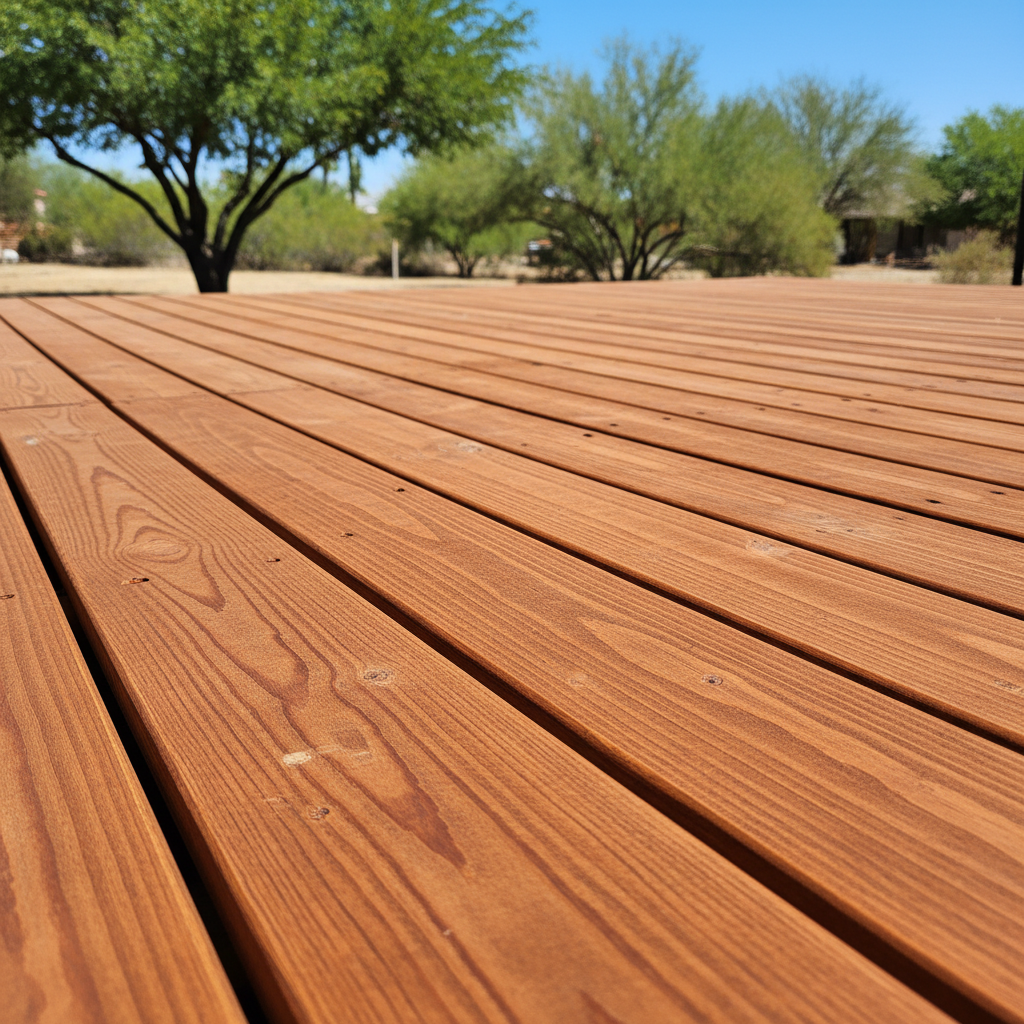
Thinking About a Wooden Deck in Coolidge? Here's the Lowdown.
So, you're dreaming of a new wooden deck for your Coolidge home, or maybe you're looking at your existing one and wondering what's next. That's great! A deck adds so much to a home, especially out here where we spend so much time outdoors. But before you grab a hammer or a can of stain, let's talk about what you really need to know – what you can realistically do yourself, and when it's time to bring in someone like us at Coolidge Deck Builders.
Before You Even Start: Planning and Permits
This is the absolute first step, and it's not something you want to skip. You might be handy, but building codes and permits aren't usually a DIY job for most homeowners. Especially in an area like ours, where the soil can be a bit tricky with that caliche layer, proper foundation and footings are critical. You don't want your deck shifting or sinking after a few monsoon seasons.
DIY (Research Only): You can definitely look up your local zoning laws and building department requirements online. Get a general idea of what's needed for a deck in Coolidge. Understand setbacks, height restrictions, and material guidelines.
Call a Pro: For the actual permit application, structural drawings, and ensuring everything meets code, a professional contractor is your best bet. We deal with this stuff all the time, and we know exactly what the city inspectors are looking for. Trust me, it saves you headaches and potential fines down the road.
Also, think about your design. Do you want a simple platform, a multi-level masterpiece, or something with built-in seating? Sketch out your ideas. Consider sun exposure – a west-facing deck in July without shade is brutal, so plan for pergolas or awnings if that's your situation.
During the Build: Foundations, Framing, and Decking
Okay, permits are in hand, and you've got a design. Now for the actual construction. This is where the line between DIY and pro gets a little clearer, especially with wooden decks.
Foundations and Framing: Mostly a Pro Job
This is the skeleton of your deck, and it's got to be strong and stable. If the foundation isn't right, nothing else will be. We're talking about digging footings, pouring concrete, and building a sturdy frame that can handle the weight of people, furniture, and maybe even a hot tub. This isn't just about putting boards together; it's about structural integrity and safety.
DIY (Small Repairs/Maintenance): If you're just replacing a single rotten joist or reinforcing a small section of an existing, sound frame, you might be able to tackle that. But be honest about your skills and tools.
Call a Pro: For any new construction, significant additions, or major structural repairs, you absolutely need a professional. We have the right equipment, the experience to ensure everything is level and square, and the knowledge of local conditions to build something that lasts.
Decking and Railings: Where DIY Can Shine (Sometimes)
Once the frame is solid, laying the deck boards and installing railings is often where homeowners feel more comfortable getting involved. It's more repetitive, and while precision is key, the consequences of a slightly off cut aren't as catastrophic as a failing foundation.
DIY: If you're comfortable with power tools like a miter saw and a drill, and you can follow a pattern, laying deck boards can be a rewarding DIY project. Just remember to space them correctly for drainage and expansion, and use the right fasteners. Railings can also be DIY, especially pre-fabricated kits, but ensure they meet code for height and spacing.
Call a Pro: If you're dealing with complex patterns, intricate designs, or just don't have the time or confidence, we're here to help. We can get it done efficiently and beautifully, ensuring every board is perfectly aligned and secured.
After the Build: Maintenance and Upkeep
Your deck is built – congratulations! Now comes the ongoing care, and this is where you, the homeowner, really become the MVP. Wooden decks need love, especially with our intense Arizona sun and occasional dust storms. This is almost entirely a DIY domain, unless you simply don't have the time.
DIY (Most of It):
Cleaning: Regular sweeping and occasional washing with a deck cleaner (follow product instructions!) will keep dirt and grime from building up. A pressure washer can be great, but use it carefully on a low setting to avoid damaging the wood fibers.
Staining/Sealing: This is crucial for protecting your wood from UV rays and moisture. Plan to do this every 1-3 years depending on the product and sun exposure. It's a bit of work – cleaning, sanding (lightly), and then applying the stain – but it makes a huge difference in the lifespan and look of your deck. Pick a good quality stain that's designed for our climate.
Inspections: Walk around your deck a few times a year. Look for loose boards, popped nails or screws, splinters, or any signs of rot or insect damage. Catching these early can save you bigger repair bills later.
Call a Pro: If you find significant rot, structural issues, or extensive damage during your inspections, that's when you call us. We can assess the problem and make the necessary repairs to keep your deck safe and sound.
Building or maintaining a wooden deck is a journey. There are parts you can absolutely handle yourself to save some money and gain some satisfaction. But for the big, critical stuff – the stuff that ensures your deck is safe, legal, and lasts for years in our Coolidge climate – don't hesitate to bring in the pros. We're here to make sure your outdoor living space is everything you want it to be.